A Scene Every Restaurant Owner Knows
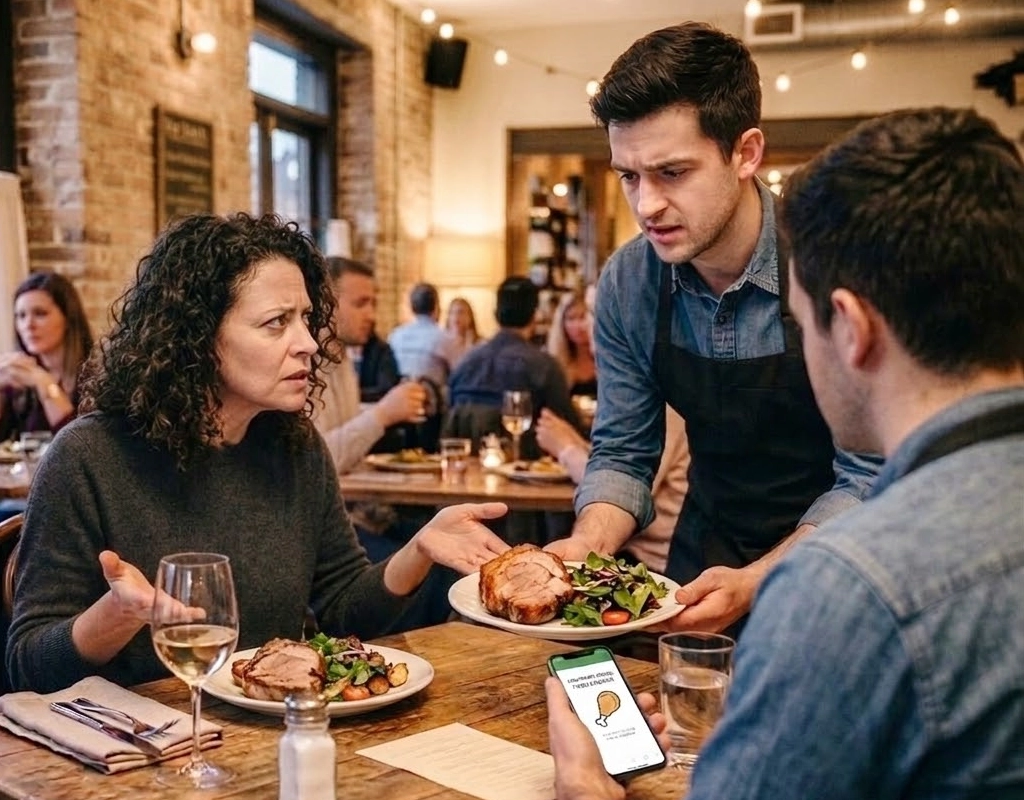
Friday night. The restaurant is full.
Table 4 asks for menus.
Table 7 wants to see the wine list again.
At Table 3 someone spilled water on the menu and now it’s unusable.
And the new batch of menus? Still not here.
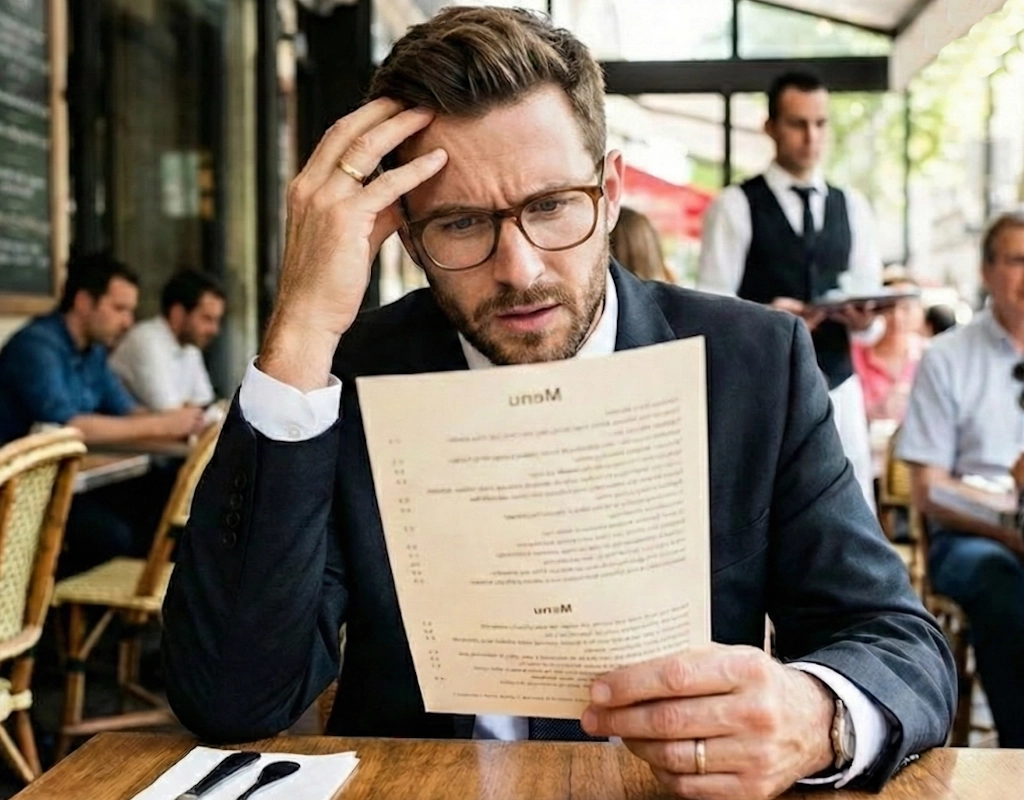
The typography was supposed to deliver 30 updated menus today after the latest price changes, but they’re late again. Now the staff has to explain to guests that some prices in the menu are no longer correct.
Situations like this happen more often than most people think. A menu looks like a simple piece of paper, but behind it there are printing costs, logistics, delays, and constant updates.
This is exactly why many restaurants are starting to question whether the traditional menu still makes sense.
The Problem with Traditional Paper Menus
Paper menus have been the industry standard for decades. Guests understand them. Restaurants are used to them.
But once you look closely, they create several ongoing problems.
Constant printing costs
Menus rarely stay unchanged for long.
Restaurants update prices, introduce seasonal dishes, adjust ingredients, or remove items that are no longer available. Each change usually means printing new menus.
Even small restaurants often reprint menus multiple times a year. Over time this becomes a significant recurring cost.
Slow service during busy hours
With traditional menus, the service flow depends on staff availability.
Guests cannot even start browsing until a waiter brings menus to the table. If the staff is busy during peak hours, guests simply wait.
Multiply this by multiple tables and suddenly the entire dining room slows down.
Hygiene concerns
Since the pandemic, many guests have become more aware of shared objects.
Printed menus pass through dozens of hands every day. Even laminated menus are difficult to sanitize consistently during a busy service.
Limited space for selling
A printed menu has strict limitations.
You can only include a certain number of dishes, descriptions, and images before printing becomes expensive. Because of that, many restaurants keep descriptions short and avoid photos entirely.
That means lost opportunities to make dishes more appealing.
What Is a Digital Menu?
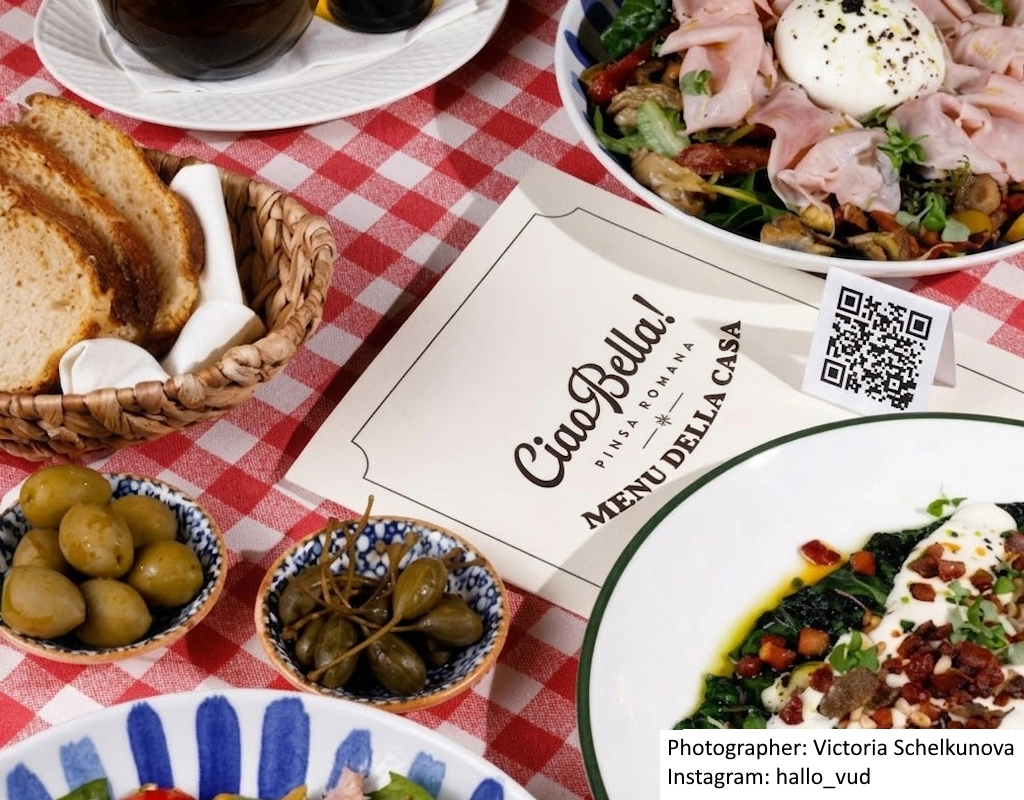
A digital menu is a menu guests open on their phones by scanning a QR code placed on the table.
No app download.
No waiting for a waiter.
Guests simply scan the QR code and the menu appears instantly.
Many restaurants are switching to QR code menus to replace traditional printed menus. You can explore the full concept in detail in this guide:
QR Code Menu for Restaurants: The Complete Guide
The technology itself is simple. But its impact on restaurant operations can be surprisingly big.
Digital Menu vs Paper Menu: The Key Differences
Speed of service
With a paper menu, guests must wait for a waiter to bring it.
With a QR menu, guests open the menu instantly.
By the time the waiter arrives, many guests are already ready to order. This shortens waiting time and speeds up the entire dining process.
Cost efficiency
Paper menus involve recurring costs:
printing new copies
replacing damaged menus
redesigning menus after updates
Digital menus eliminate those costs. Once the system is set up, updates are unlimited and immediate.
Instant menu updates
One of the biggest advantages of a digital menu is flexibility.
Restaurants can instantly:
update prices
remove unavailable dishes
add daily specials
promote seasonal items
Every table sees the updated version immediately.
No printing delays. No outdated information.
Better guest experience
A QR menu vs traditional menu offers far more information for guests.
Digital menus can include:
detailed dish descriptions
appetizing photos
allergen information
multiple language options
calorie estimates
This helps guests make decisions faster and improves their overall dining experience.
Higher sales potential
Menus are not just informational tools. They are also sales tools.
Digital menus make it easier to highlight:
chef recommendations
best-selling dishes
high-margin items
special promotions
A well-described dish with a photo can significantly increase the likelihood that guests will order it.
A Hidden Benefit: Less Stress for Staff
One of the biggest advantages of digital menus is something many owners overlook.
They reduce chaos during peak service.
Restaurant staff constantly deal with requests like:
“Can we see the menu?”
“Do you have the wine list?”
“What desserts do you have?”
“What’s in this dish?”
A digital menu answers many of these questions immediately.
Guests explore the menu on their own. Staff spend less time running back and forth with menus and more time providing good service.
Why QR Menus Are Becoming the New Standard
The hospitality industry is gradually moving toward digital guest experiences and restaurant automation.
Several trends are driving this change:
almost every guest has a smartphone
restaurants face staff shortages
operational costs are increasing
guests expect faster service
Digital menus fit perfectly into this transformation.
They simplify operations while improving the guest experience at the same time.
How Oto Helps Restaurants Switch to Digital Menus
Not all QR menu platforms are built with real restaurant challenges in mind.
Oto focuses on making digital menus simple to create, easy to manage, and powerful enough to increase restaurant sales.
AI-powered menu creation
Creating a digital menu can take hours if done manually.
With Oto, restaurants can simply enter the dish name, and the system can automatically generate:
appealing dish descriptions
ingredients
allergen information
calorie estimates (when weight is provided)
This dramatically reduces the time required to build a professional menu.
Automatic menu translation
Restaurants often serve international guests.
Oto allows menus to be instantly translated into multiple languages. Guests can switch languages and browse the menu comfortably.
Rich and attractive menu presentation
Oto digital menus allow restaurants to include:
high-quality dish images
detailed descriptions
clear allergen information
well-organized categories
Instead of a static printed list, the menu becomes a modern digital experience.
Additional features for better service
Oto also includes features designed to improve the overall restaurant experience.
Guests can:
call a waiter directly from the menu
leave digital tips using services like PayPal or Revolut
This improves both service efficiency and staff motivation.
When Paper Menus Still Make Sense
Even though digital menus offer many benefits, paper menus are not completely disappearing.
Some restaurants still prefer them in specific situations:
fine-dining restaurants focused on tradition
venues with older clientele
locations with unstable internet access
Many restaurants adopt a hybrid approach.
They use QR menus as the primary option while keeping a few printed menus available on request.
This keeps the experience comfortable for all guests.
The Future of Restaurant Menus
The restaurant industry continues to evolve.
Guests already use their phones to:
book tables
read reviews
pay bills
split payments
Opening a menu on their phone is simply the next natural step.
For restaurant owners, the question is no longer whether digital menus will become widespread.
The question is how quickly they will become the new standard.
Conclusion
When comparing digital menu vs paper menu, the difference becomes clear.
Paper menus are familiar but rigid, expensive to update, and limited in how much information they can provide.
Digital menus are flexible, easy to update, and capable of improving both guest experience and restaurant operations.
For many restaurants, switching to a QR menu is not just a technological upgrade. It is a practical way to reduce stress for staff, control costs, and increase sales.
FAQ: Digital Menu vs Paper Menu
What is the main difference between a digital menu and a paper menu?
A paper menu is physically printed and handed to guests, while a digital menu is accessed by scanning a QR code with a smartphone. Digital menus can be updated instantly without printing.
Are QR code menus better for restaurants?
In many cases yes. QR menus reduce printing costs, speed up service, and allow restaurants to present richer menu information including images, allergens, and translations.
Do customers prefer digital menus?
Most guests are comfortable using QR codes and appreciate the speed and convenience of accessing the menu immediately.
Can restaurants use both digital and paper menus?
Yes. Many restaurants offer digital menus as the main option but keep a few printed menus available for guests who prefer them.
Try Oto
If you want to modernize your restaurant menu without adding complexity for your team, Oto makes it simple.
Create beautiful digital menus, update them instantly, and improve the experience for your guests.
Start here:
https://otoqr.app