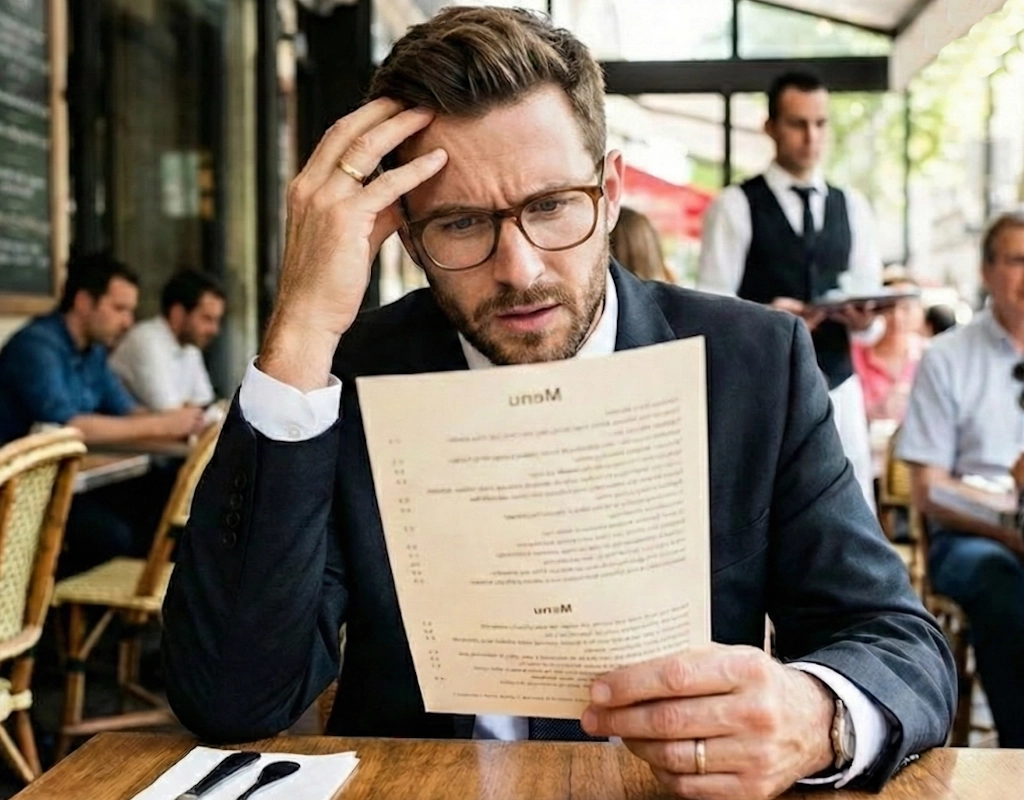
I would sit down in a local restaurant during a tight business trip, open the menu, and face a wall of unfamiliar words. No photos. No translations. No ingredients explained. No allergen information. No calorie details. Just text.
So I guessed.
Sometimes it worked. Sometimes it didn’t.
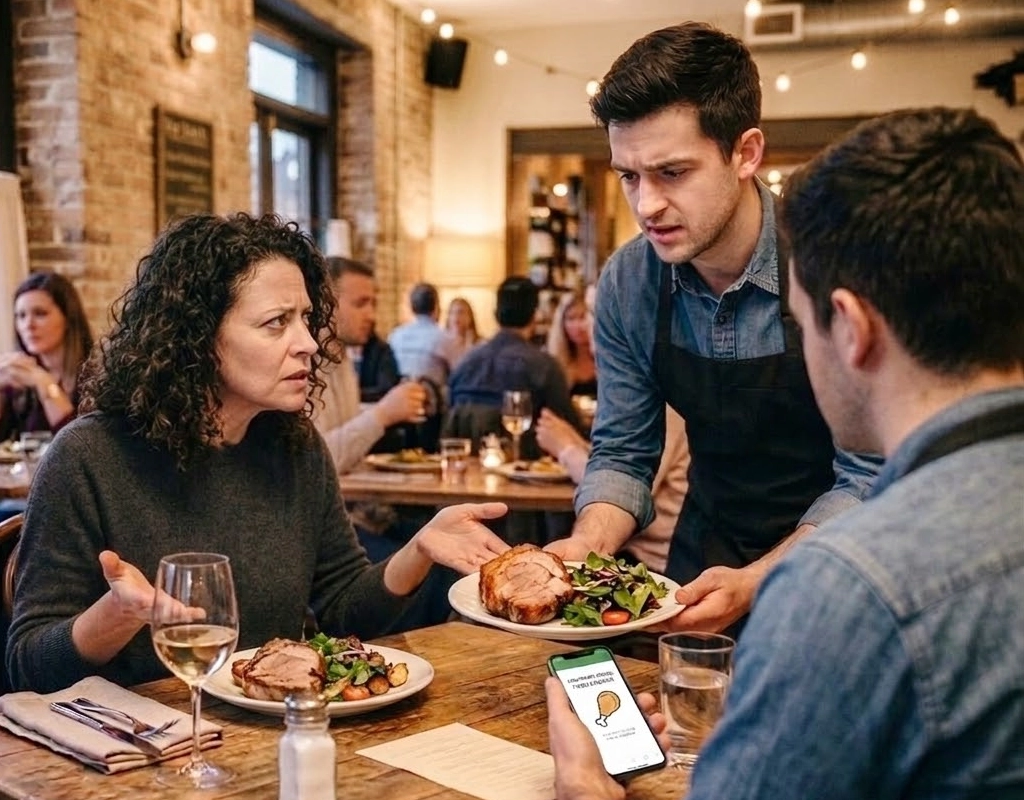
Then came the second round of friction. Trying to catch the waiter’s attention during peak hours. Waiting to place the order. Waiting again for the bill. Watching minutes disappear when the schedule was already tight.
It felt small. But repeated over dozens of countries, it stopped feeling small.
That’s when it hit me. This isn’t a tourist problem. It’s a structural restaurant problem. In a world that has gone fully digital, most restaurants are still operating with printed menus that were designed decades ago.
The Question That Changed Everything
At some point, the frustration turned into a question.
What if a digital menu for restaurants could remove all that friction?
Not a PDF. Not a temporary pandemic fix. But a real QR menu restaurant solution built around how people actually dine.
A menu that opens instantly through a QR code. That automatically translates into the guest’s language. That shows vivid photos of each dish so there’s no guessing. That clearly lists ingredients, allergens, and calorie information for people who care about what they eat. That allows guests to call the waiter discreetly, request the bill instantly, and even leave structured feedback.
And in today’s world, why not go further? Why shouldn’t guests be able to send a digital tip directly to the waiter through the menu itself?
If technology exists everywhere else, why not here?
Testing the Idea
In spring 2024, we decided to validate the instinct.
We worked with 16 restaurants and spoke to more than 100 guests. The patterns were clear. Guests struggled with unclear menus. Language barriers reduced confidence when ordering. Service delays affected satisfaction. Restaurant owners lacked structured feedback they could actually act on. And more and more guests were actively looking for allergen transparency and calorie information before ordering.
This wasn’t a niche insight. It was a global gap in the dining experience.
How Oto Was Born
Together with my colleague Andrian Moraresco and a small but determined team, we built what we wished had existed in all those restaurants I visited.
Oto, short for One-Tap Ordering, became a complete digital menu restaurant solution. Not just a QR code on a table, but an interactive system that improves both guest experience and restaurant operations.
With Oto, a guest scans a QR code and the digital menu opens instantly in their preferred language. They can explore dishes through images, see ingredients, allergens, and calories clearly displayed, customize their order, call the waiter without waving across the room, request the bill when they are ready, and leave structured feedback after the meal.
And because the world is becoming cashless, they can also send a digital tip directly to the waiter through integrated payment links like PayPal or Revolut. Appreciation no longer depends on having cash in your pocket.
No app downloads. No confusion. No friction.
Digital Menu vs Printed Menu: The Real Difference
The more we worked with restaurants, the clearer the contrast became.
A printed menu is static. Every change means reprinting. Seasonal updates, new dishes, price adjustments, limited-time offers. All of it costs time and money. Printed menus cannot update instantly, cannot personalize the experience, cannot filter content, and cannot generate data. They simply sit there.
A digital menu, on the other hand, evolves with the restaurant. It updates in real time. It supports multilingual environments effortlessly. It reduces printing costs and eliminates outdated versions. It collects structured guest feedback. It improves table turnover by streamlining service. And it generates operational data that helps owners make smarter decisions.
At that point, it stops being just a menu. It becomes a management tool.
More Than Technology
What started as a personal frustration somewhere between Oslo and Cape Town slowly became a bigger mission.
Oto became a way to break language barriers without removing the human side of hospitality. It gave guests confidence because they knew exactly what they were ordering. It empowered waiters through digital tipping. It made dining healthier and more transparent by clearly displaying allergens and calorie information. And it transformed scattered opinions into structured insights that restaurants could use to grow.
Dining out should feel effortless.
Technology should fade into the background. It shouldn’t complicate the experience. It should quietly support it.
The Future of Restaurant Digitalization
Restaurant digitalization is not about flashy screens or trends that look good on social media. Restaurants don’t need technology to look modern. They need digital systems that genuinely increase efficiency, improve guest satisfaction, support multilingual audiences, provide health transparency, and generate real business insights.
That’s what Oto is building.
Not just another QR menu.
Not just another digital menu.
A smarter way to dine.
Frequently Asked Questions About Digital Menus for Restaurants
What is a digital menu for a restaurant?
A digital menu for a restaurant is an interactive menu accessed via QR code on a guest’s smartphone. It can display images, translate automatically, show allergens and calories, allow guests to call the waiter, request the bill, and leave digital tips, all without downloading an app.
How does a QR menu improve restaurant efficiency?
A QR menu reduces waiting time, speeds up ordering and billing, minimizes printing costs, and collects structured guest feedback. It improves table turnover and helps restaurants operate more smoothly during busy hours.
Can a digital menu show allergens and calorie information?
Yes. A modern digital menu can clearly display ingredients, allergens, and calorie information for each dish, helping guests make informed and safe dining decisions.
Is a digital menu better than a printed menu?
A digital menu updates in real time, supports multiple languages, reduces recurring printing costs, and generates operational insights. A printed menu is static and cannot adapt to changes instantly.
Can guests leave digital tips through a QR menu?
Yes. Advanced digital menu systems like Oto allow guests to send tips directly to waiters through integrated digital payment links, supporting cashless environments.