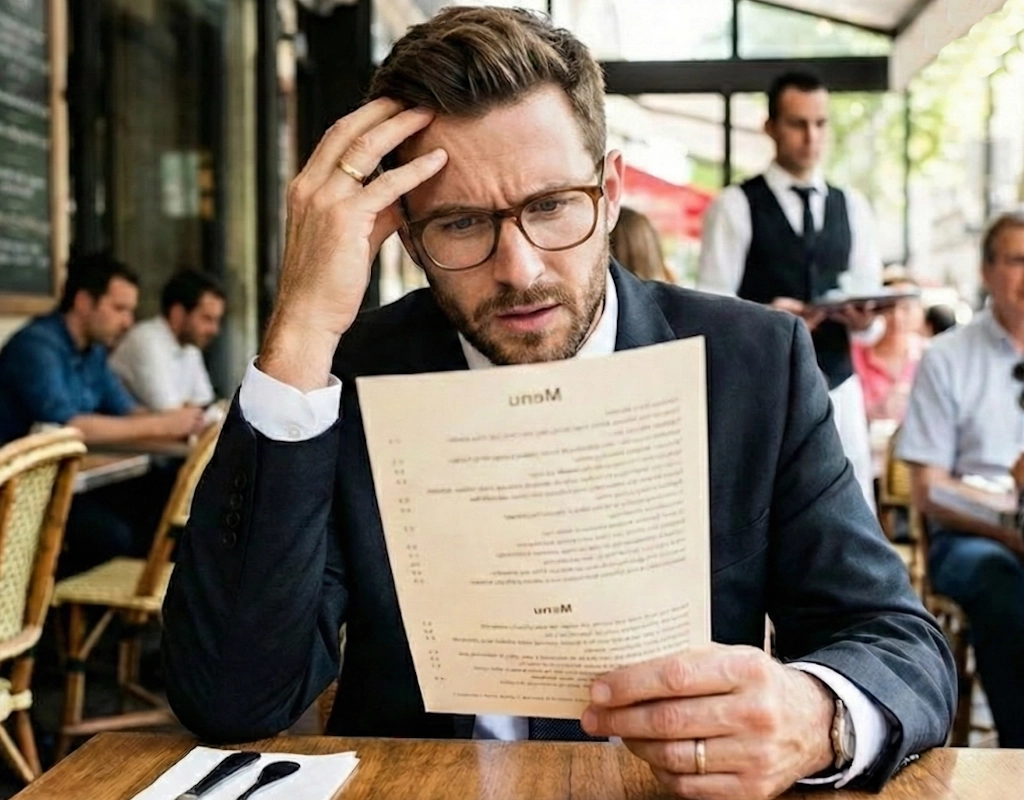
It was a quiet evening. Cozy place. Warm lights. That comfortable restaurant buzz that makes you feel you chose well. I opened the menu. A classic paper one. Nothing fancy.
I didn’t need much. Chicken. Fresh salad. A glass of red wine. Simple. Safe. Impossible to mess up.
The waiter took the order. Confident nod. All good.
Then the waiting started.
Fifteen minutes. Twenty. Thirty.
You know that moment when other tables get their food and you start calculating how many dishes passed by that are not yours? That was me.
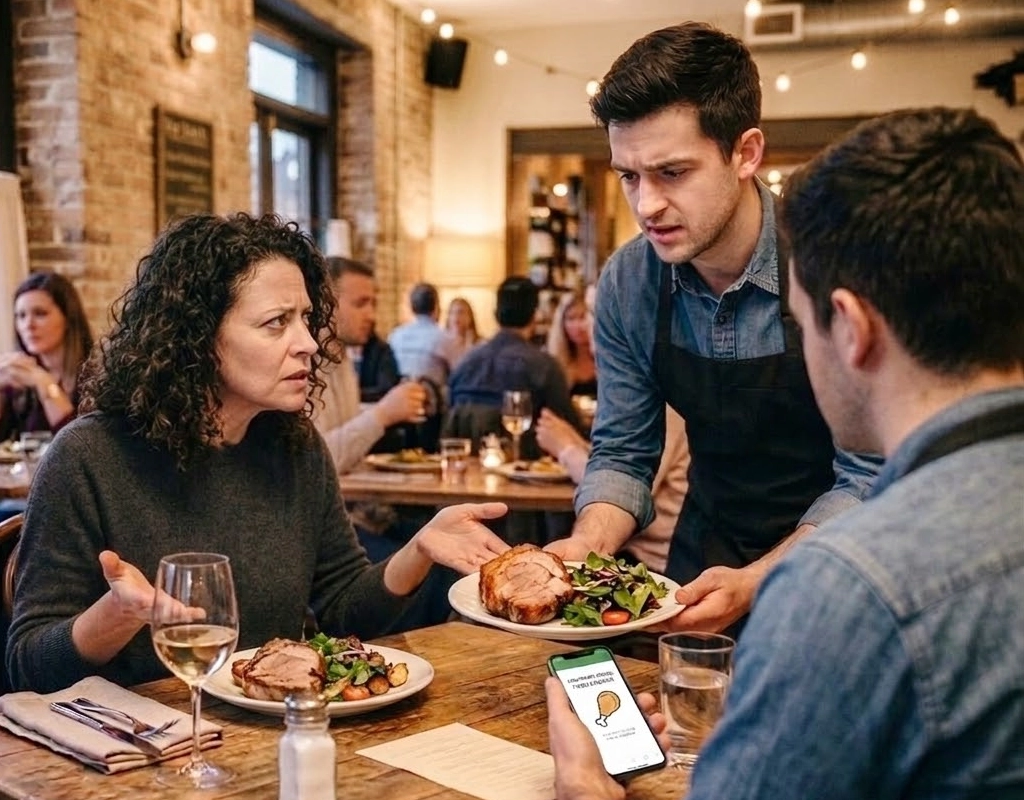
Finally, the waiter arrived. Plate in hand. The reveal felt dramatic.
Pork.
Not chicken. Pork. Sitting there like it always belonged on my table.
I smiled politely. “I ordered chicken.”
He didn’t hesitate. “No, you ordered pork.”
And just like that, we entered the most common conflict in HoReCa. Memory versus memory. Confidence versus confidence. No proof. No system. Just two humans equally convinced they are right.
Here’s the uncomfortable truth. It doesn’t matter who was right.
The damage is already done.
Because when a guest orders something, that choice matters. It’s not random. It’s intentional. And when it goes wrong, it’s not just about meat. It’s about trust.
In that moment, I wished Oto existed in that restaurant.
In a world powered by Oto, I would have simply opened my phone. There it is. Chicken. Selected at 19:42. Clear. Visible. Undeniable.
The waiter checks the system. Mistake spotted in seconds. No debate. No awkwardness. Just correction.
That’s the power of digital clarity.
Paper menus rely on memory. Memory fails. People get busy. Noise interferes. Orders mix up. And when something goes wrong, there’s no neutral referee.
With Oto, every order leaves a digital footprint. It’s not about blaming staff. It’s about protecting both sides. The guest feels heard. The staff feels safe. The manager has visibility.
Back in reality, I ate the pork. It was fine. But it wasn’t what I chose.
And restaurants rarely realize this. Guests don’t only pay for food. They pay for getting exactly what they decided to eat.
Small frustrations are silent killers. One wrong dish today. Another small mistake next week. Eventually, the guest just doesn’t come back.
Oto isn’t about being “modern” for the sake of it. It’s about eliminating friction. Making the experience smoother. Cleaner. Safer.
Chicken should be chicken. Pork should be pork.
And your order should never turn into a debate.
Oto. One world. One menu. One tap.
FAQ
What is Oto?
Oto is a digital menu solution for restaurants that allows guests to browse, select, and confirm their orders directly from their phones.
How does Oto prevent wrong orders?
Orders are selected digitally and recorded in the system. Both guests and staff can verify what was ordered, reducing misunderstandings.
Why do restaurants experience order mix-ups?
Traditional ordering relies on verbal communication and memory, which can fail during busy service hours.
Does a digital menu improve customer experience?
Yes. It increases transparency, reduces friction, and gives guests more control over their choices.
Is Oto complicated to implement?
No. It works through QR codes and requires no complex hardware.
Who benefits most from Oto?
Restaurant, cafe and hotel owners, managers, staff, and guests all benefit from fewer mistakes, better clarity, and a smoother dining experience.
Is Oto suitable for small restaurants?
Absolutely. Even small establishments can reduce costly mistakes and improve guest satisfaction with a digital menu system.