The Real Pain: “We went digital, but service is still chaotic”
You’ve seen this before.
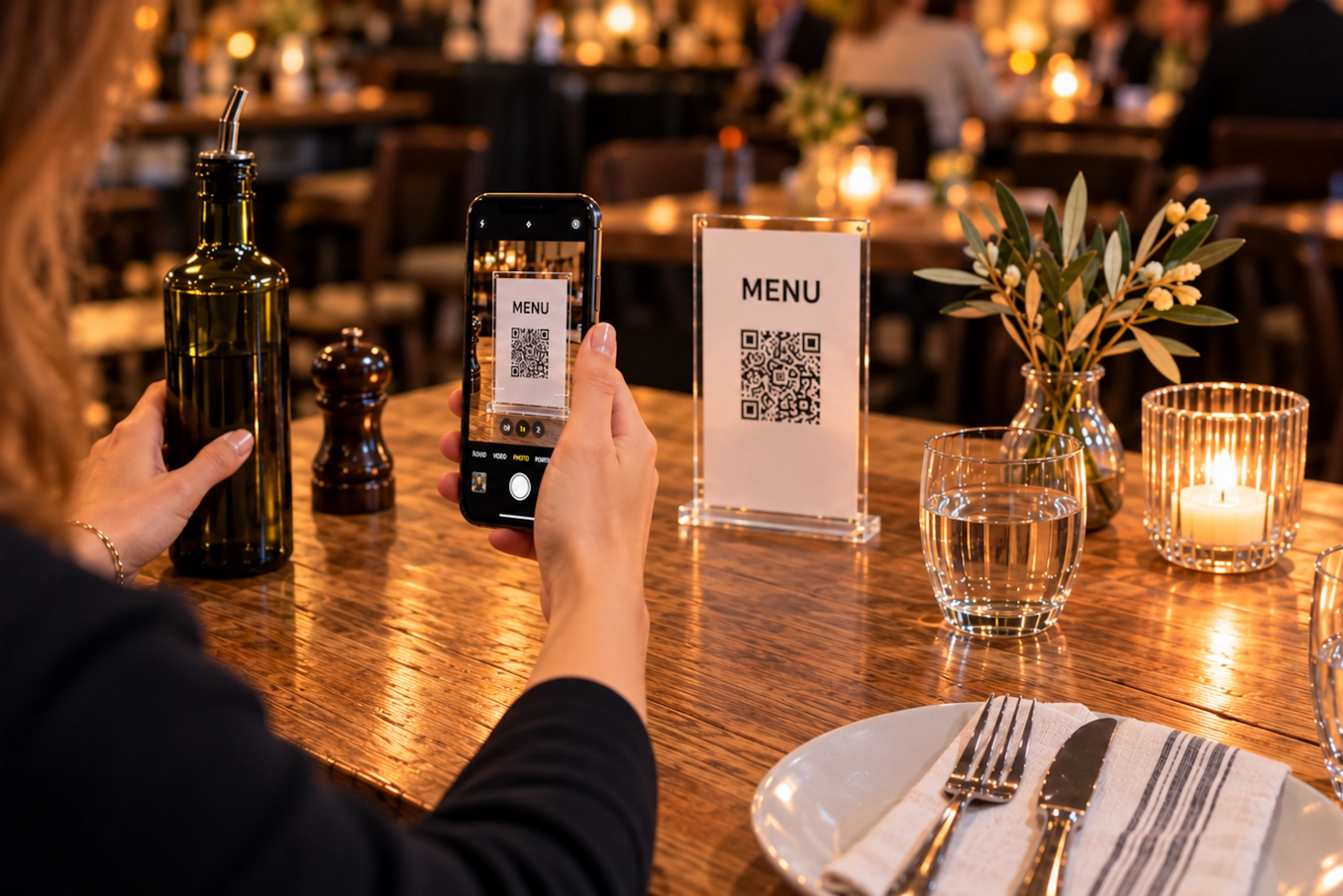
Guests scan the QR code
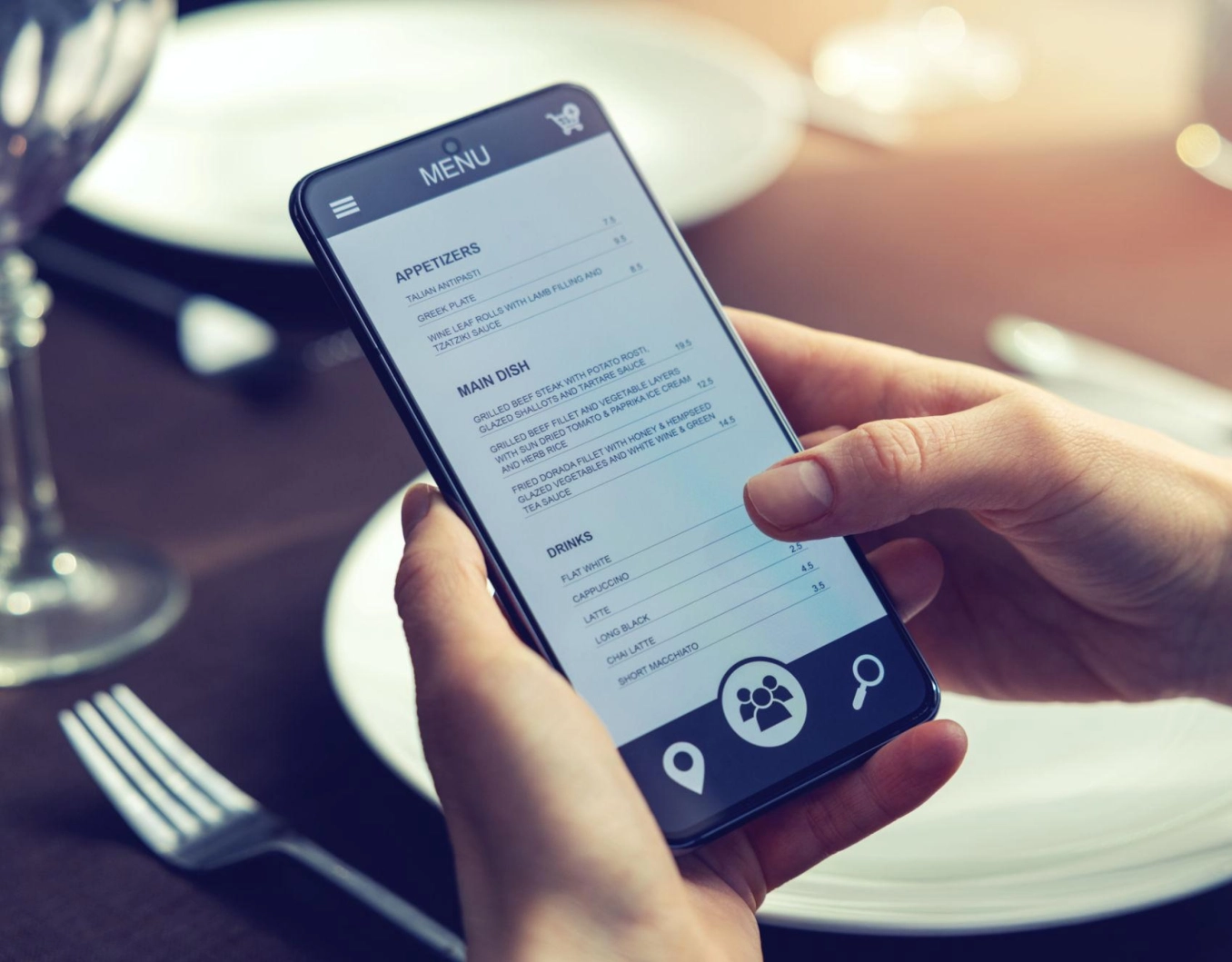
They scroll endlessly
They hesitate
They call the waiter anyway
So instead of simplifying operations, the QR menu becomes just another step in the process.
Imagine a guest at Table 5. They’ve been scrolling for 3 minutes. No photos. No clear direction. Just a wall of text.
Finally, they close the menu and say:
“Can you recommend something?”
Now your staff is back in the same loop.
Mistake #1: Treating the QR Menu Like a Digital Copy of Paper
This is the core problem.
Most restaurants take their physical menu and simply upload it into a QR format.
What do they get?
A static list of dishes
A tool for basic information
Zero guidance for the guest
But here’s what’s missing:
A digital menu is not just a menu.
It’s a decision environment.
Guests don’t just read menus. They:
Compare options
Look for cues
Get influenced by visuals and positioning
If your QR menu doesn’t help them decide, it slows them down.
And slower decisions mean:
Fewer upsells
Lower average чек
Frustrated guests
Mistake #2: No Visual Experience
Let’s keep it simple.
People don’t like ordering what they don’t see.
A menu without photos forces guests to imagine the dish. And when people have to imagine, they play safe.
That means:
They skip premium dishes
They avoid unfamiliar items
They order less
Now compare that to a menu with strong visuals.
A well-shot burger or dessert doesn’t just inform. It triggers a decision.
That’s the difference between browsing and buying.
Mistake #3: Ignoring How Guests Actually Make Decisions
Here’s where things get interesting.
Most QR menus are built for displaying information.
But guests don’t behave like that.
They don’t read from top to bottom.
They:
Jump between categories
Open 3–4 dishes
Compare prices
Go back and forth
And yet, most restaurants have zero visibility into this behavior.
They don’t know:
What gets attention
What gets ignored
Where guests hesitate
So every menu update is based on guesswork.
The Reality: Your QR Menu Is a Goldmine of Data (If You Use It Right)
This is the part most restaurant owners miss.
A QR menu is not just a tool for guests.
It’s a source of insight.
Every tap, every scroll, every click tells a story:
Which dishes attract attention
Which ones are skipped
Where guests spend time
What leads to a final decision
But if your system doesn’t capture this… you’re flying blind.
The Oto Approach: From Static Menu to Decision Intelligence
This is where things shift.
With Oto, the QR menu is not just a list. It becomes a live feedback loop.
You start seeing:
What guests actually open
Which dishes perform best
Where interest drops
What influences choices
And that changes everything.
Instead of guessing, you can:
Push high-margin dishes in better positions
Improve descriptions where guests hesitate
Add visuals where attention is weak
Remove items that don’t perform
You’re no longer managing a menu.
You’re optimizing a decision system.
Mistake #4: Missing Easy Upsells
Think about how a good waiter works.
They guide the guest.
“Try this.”
“This pairs well with that.”
“People love this dish.”
Now look at most QR menus.
They just sit there.
No suggestions. No nudges. No strategy.
That means:
No cross-selling
No drink pairing
No dessert push
And that’s lost revenue every single day.
Mistake #5: Not Reducing Pressure on Staff
One of the main goals of QR menus is to make life easier for your team.
But when done wrong, the opposite happens.
Staff still answers the same questions:
“What’s good here?”
“Is this spicy?”
“What do you recommend?”
A well-designed digital menu should:
Answer common questions upfront
Guide guests naturally
Reduce unnecessary interactions
That’s when your team can actually focus on service, not explanations.
What a Smart QR Menu Looks Like Today
A high-performing QR menu is:
Visual – photos that sell, not just describe
Structured – easy to scan, not overwhelming
Strategic – highlights what you want to sell
Data-driven – improves over time based on real behavior
Supportive – reduces pressure on staff
It doesn’t just show dishes.
It helps guests choose faster and better.
The Bottom Line
Going digital is not enough.
If your QR menu is just a copy of your paper menu, you’ve solved the smallest problem… and ignored the biggest opportunity.
Because the real value is not in displaying dishes.
It’s in understanding how your guests decide.
And once you understand that, you can influence it.
Try Oto
If you want your QR menu to actually:
Increase average order value
Reduce staff workload
Give you real insight into guest behavior
Then it’s time to upgrade from “digital menu” to smart menu.
Start here:
https://otoqr.app/en/register
FAQ: QR Menus in Restaurants
Why do many QR menus fail?
Because they are treated as simple digital copies of paper menus, without strategy, visuals, or optimization.
Do guests actually prefer QR menus?
Yes, when they are easy to use, visual, and help them decide faster.
How can a QR menu increase revenue?
By guiding choices, promoting high-margin items, and enabling upselling.
What makes Oto different?
Oto transforms your menu into a data-driven decision tool, showing exactly how guests interact and what drives their choices.