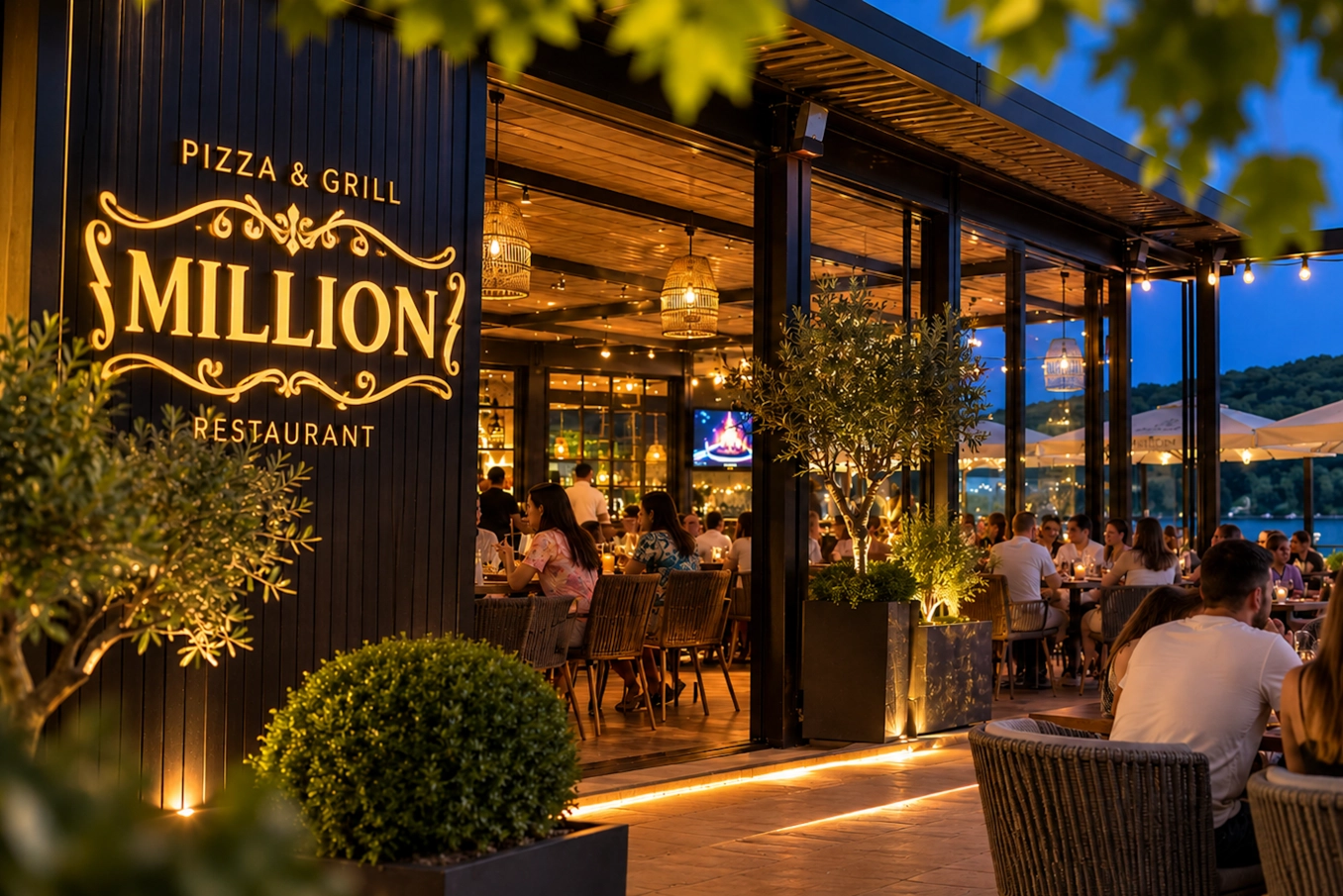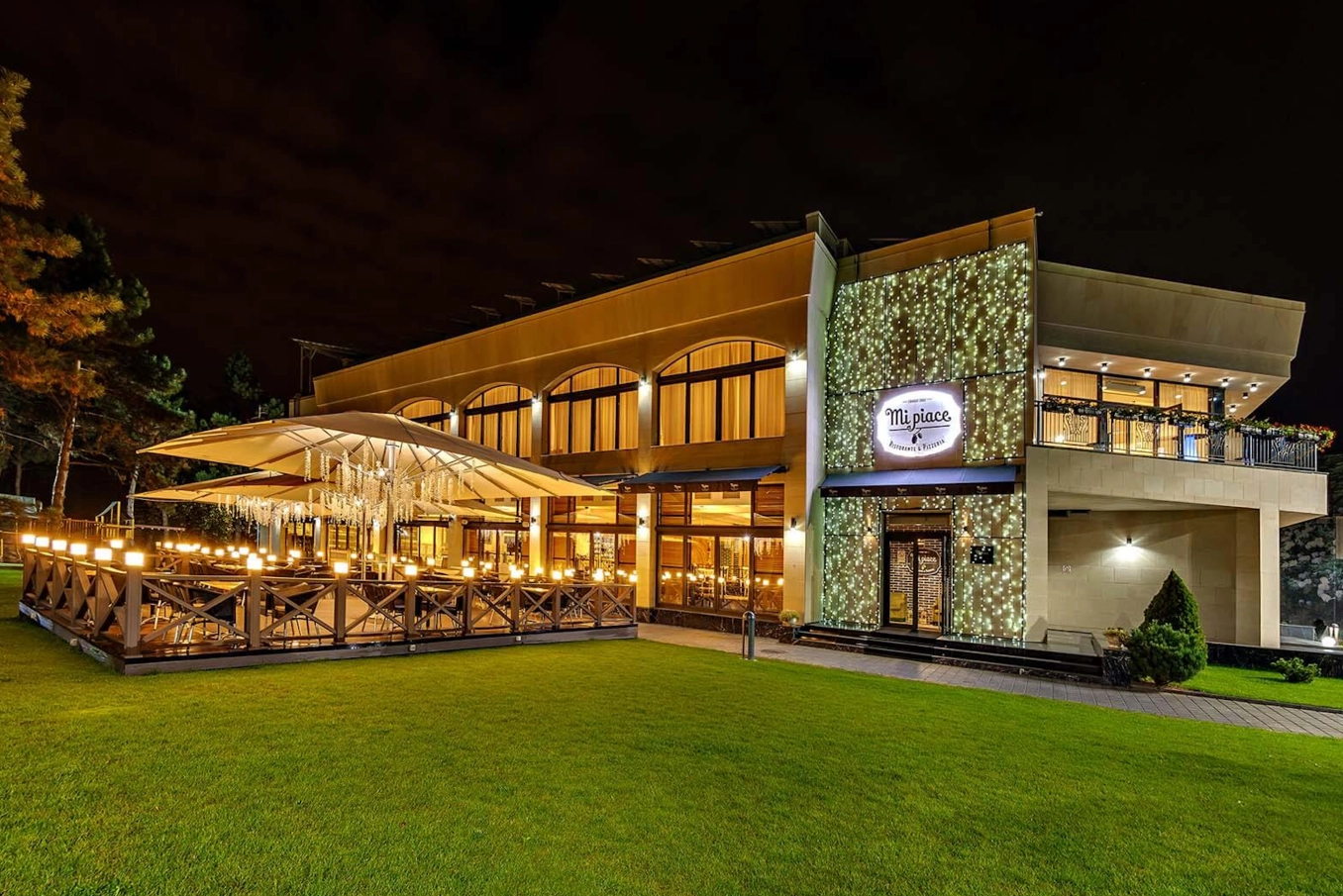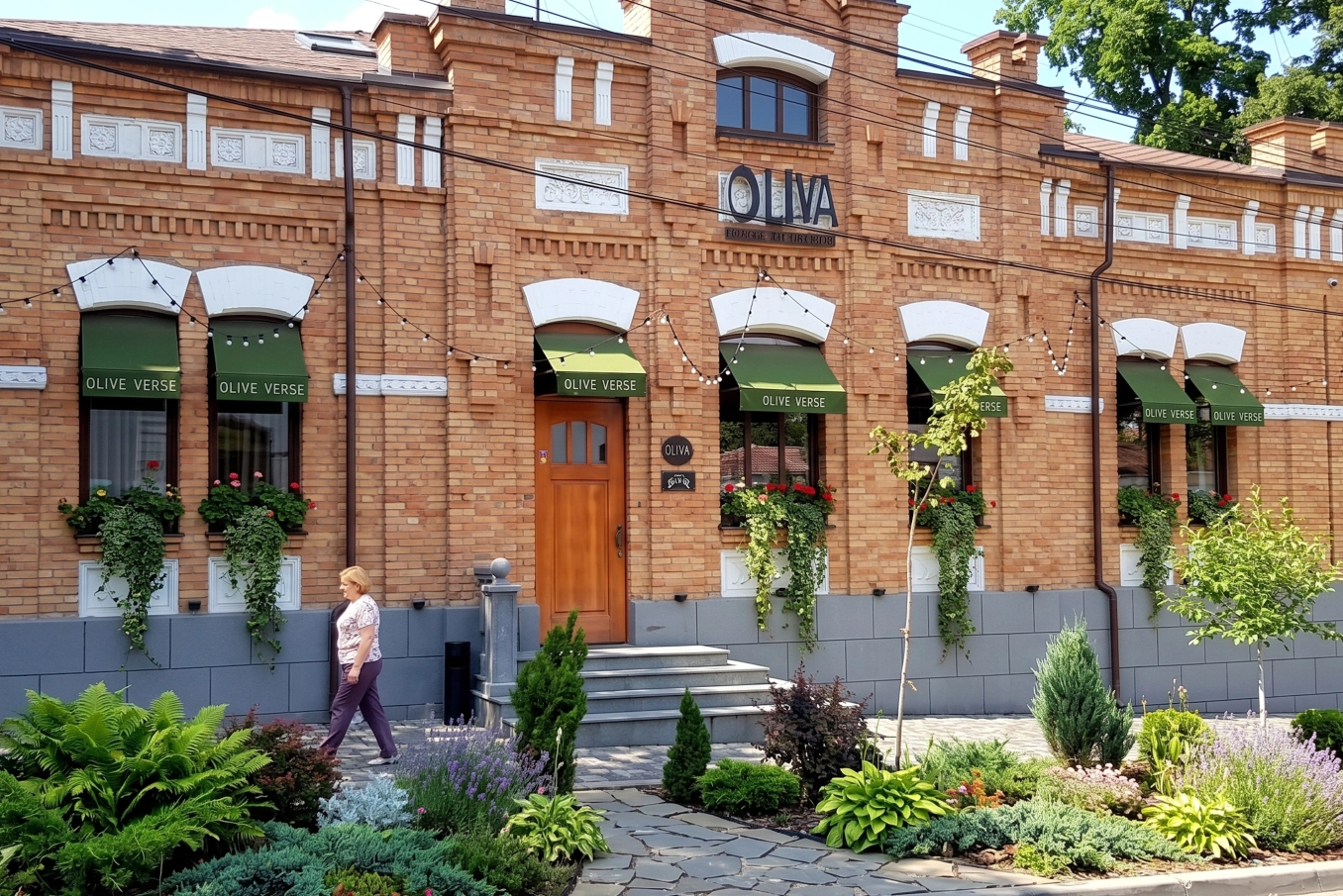
A large restaurant chain with large operational challenges
Oliva restaurants are known for:
spacious interiors
large terraces
diverse menus
strong family atmosphere
heavy traffic during peak hours
a growing number of international guests, including visitors from Italy and other European countries
Managing this type of operation with traditional paper menus creates constant friction.
Not because paper menus are “bad.”
But because modern hospitality moves faster than paper can adapt.
At Oliva, the team constantly updates:
seasonal dishes
special offers
cocktails
desserts
limited-time menus
Printing menus again and again became both expensive and inefficient.
And during busy evenings, operational pressure increased quickly.
The terrace challenge: guests wanted faster service
Large terraces are great for business.
But they also create service bottlenecks.
Guests often needed staff for simple interactions:
asking for the bill
calling a waiter
clarifying dishes
requesting another order
When dozens of tables need attention simultaneously, even strong teams become overloaded.
Oliva needed a way to reduce unnecessary waiting without removing the human side of hospitality.
With Oto, guests can now:
browse the menu instantly
call a waiter digitally
request the bill directly from the menu
access information faster without waiting
This significantly reduced small service interruptions that consume staff energy during peak hours.
And something important happened as a result: table turnover increased naturally.
Guests spent less time waiting for operational steps and more time actually enjoying their experience.
International guests needed a more comfortable experience
Oliva attracts many foreign visitors, especially during the warm season.
For international guests, traditional menus often create uncertainty:
unfamiliar dish names
language barriers
hesitation during ordering
repeated questions to staff
That slows down service for everyone.
With Oto’s multilingual digital menu system, guests can switch languages instantly from their phones.
This creates a smoother and more independent experience.
International visitors feel more comfortable ordering.
Staff spend less time translating.
And service becomes more fluid across the entire restaurant.
For hospitality businesses serving tourists, this matters far more than many owners realize.
A comfortable ordering experience directly influences:
customer satisfaction
online reviews
repeat visits
average spending
Seasonal menus became easier and cheaper to manage
One of the biggest operational improvements for Oliva came from menu flexibility.
Unlike static paper menus, Oto allows the team to update dishes in real time.
That means:
no constant reprints
no outdated menus on tables
no delays when changing products
no wasted printed materials
For a restaurant chain with multiple locations and frequent seasonal updates, this became both a time saver and a cost saver.
New dishes can be added instantly.
Unavailable items can be hidden immediately.
Seasonal campaigns can launch across all locations without operational chaos.
The menu became dynamic instead of static.
Digital tipping improved waiter motivation and loyalty
One unexpected but important advantage came from digital tips.
In modern restaurants, fewer guests carry cash.
That directly affects waiter earnings.
Oto helped solve this problem by allowing guests to leave digital tips directly through the menu using payment platforms like:
PayPal
Revolut
bank payment links
For staff, this created a very real benefit.
Guests who previously wanted to tip but had no cash could now do it instantly.
And for a large restaurant chain where waiter retention matters, this became an important loyalty factor internally.
Happy staff create better guest experiences.
Sometimes technology helps both sides at the same time.
Guest satisfaction became measurable
Most restaurants think they understand guest satisfaction.
But very few actually collect real-time feedback consistently.
With Oto, Oliva integrated customer feedback directly into the digital menu experience.
This gave the team better visibility into:
guest satisfaction
service quality
operational issues
customer impressions across locations
Instead of relying only on assumptions or occasional reviews, the restaurant now receives direct feedback from actual guests during their visit.
That creates something extremely valuable:
continuous operational insight.
And in hospitality, small improvements repeated every day create major long-term results.
More than a QR menu
For Oliva, Oto became much more than a digital replacement for paper.
It became:
a service optimization tool
a multilingual guest experience platform
a waiter support system
a live menu management solution
a customer feedback channel
a sales and operational efficiency tool
This is where restaurant technology is moving globally.
The menu is no longer just a list of dishes.
It is becoming an active part of:
guest communication
operational flow
customer behavior
restaurant analytics
And restaurants that understand this early gain a serious advantage.
You can see the full digital menu for Oliva here: https://menu.otoqr.app/en/KpfxKvGkNhYuvVj9
Technology that supports hospitality instead of replacing it
One of the reasons the collaboration worked well is because Oto didn’t try to replace the human atmosphere Oliva is known for.
The goal was never “less human interaction.”
The goal was: less unnecessary friction.
Guests still enjoy the atmosphere, service, and social experience.
But now they can:
access information faster
order more confidently
request assistance easier
leave tips digitally
interact with the restaurant more smoothly
In modern hospitality, convenience is no longer optional.
It is part of the experience itself.
Try Oto
Whether you operate a single restaurant, a terrace, a hotel, or a multi-location chain, Oto helps modernize the guest experience while reducing operational pressure.
With Oto, restaurants can:
create multilingual digital menus
improve table turnover
reduce waiting time
support digital tipping
manage seasonal menus instantly
collect customer feedback
improve guest satisfaction
Register to create your digital menu here: Try Oto
FAQ
Why are digital menus useful for large restaurants and terraces?
They reduce waiting time, simplify service flow, and help guests access information instantly without relying on staff for every small interaction.
Can a digital menu help international guests?
Yes. Guests can switch between available languages directly from the menu, making ordering easier and more comfortable.
How does digital tipping help restaurants?
It allows guests to leave tips even without cash, helping improve waiter satisfaction and staff loyalty.
Can restaurants update seasonal dishes instantly?
Yes. Oto allows live menu updates without printing new menus every season.
Does a digital menu help improve table turnover?
Yes. Faster access to menus, waiter calls, and bill requests reduces unnecessary waiting and improves operational flow.