The challenge: a digital menu that ended at displaying dishes
Most QR menus solve one problem: they replace paper.
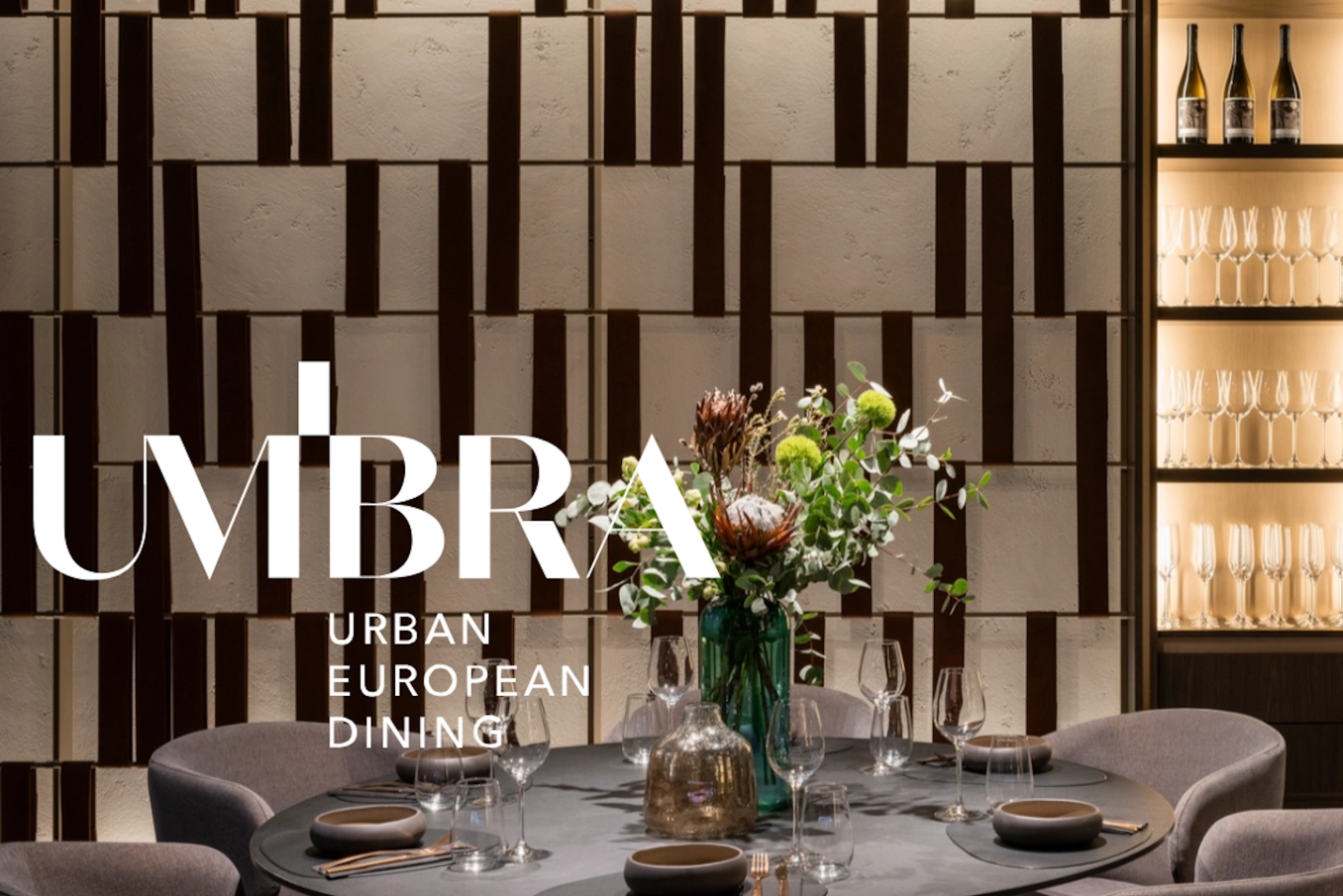
But for Umbra Urban, that wasn’t enough anymore. The management wanted to understand what was happening between the moment a guest scanned the code and the moment they paid.
They wanted to know:
Where guests were coming from
Which languages they preferred
How much time they spent exploring the menu
What actions they took
When guests were most active
How to reduce waiting and improve service
And they wanted something else. They wanted guests to interact with the restaurant directly from the menu.
Not search for staff.
Not wait to catch someone’s attention.
Not leave silently.
The solution: turning the menu into a guest interaction channel
With Oto, Umbra Urban didn’t simply change the interface. They gained an entirely new layer of operational visibility. Inside Oto Analytics, the team started seeing data that previously didn’t exist. Not only page views and active users. But sessions, engagement time, customer interactions, visitor geography, device usage and activity patterns.
Suddenly, the restaurant could answer questions instead of guessing. Who visits us? The data showed a mix of local and international guests.
Which languages do guests actually use? Language switching inside the menu revealed how people preferred to navigate.
How engaged are they? Instead of a quick scan and exit, the restaurant could measure actual engagement time and menu interaction.
What do guests try to do? This became one of the most valuable insights.
Guests don’t only read menus. They try to act.
One of the most interesting discoveries came from guest actions. The menu stopped being passive.
Guests were:
Adding items to cart
Calling waiters directly from the table
Requesting the bill without waiting
Changing languages
Leaving tips
Sending feedback
Those actions may seem small individually. But together they create a smoother restaurant experience. No eye contact across the room. No waiting for staff to become available. No lost feedback.
The menu became a service channel. Curious what guests actually see?
Umbra Urban’s menu is fully powered by Oto and designed to do more than display dishes. Guests can browse, switch languages, call a waiter, request the bill, and interact directly from the table.
If you’d like to experience the menu yourself, explore it here: https://menu.otoqr.app/ro/4Y1CmoQjyhhYI5xv
From assumptions to decisions
Restaurant teams often make decisions based on instinct. Translate into another language because “we probably have tourists.” Add categories because “people may find the menu difficult.” Change layout because “it feels better.”
Umbra Urban started seeing real behaviour instead.
If guests spent more time in certain categories, the structure could evolve. If specific languages appeared more often, the menu could adapt. If service requests increased during certain hours, operations could adjust.
The difference is subtle. But important.
Before Oto, the restaurant had digital access. After Oto, they had guest understanding.
The result
Umbra Urban already understood that menus matter. What changed was understanding that menus can also become a source of insight. Today, their menu is no longer only a list of dishes. It’s a place where guests explore, interact, ask, decide and leave signals that help the restaurant improve.
Because sales tell you what people ordered.
Behaviour tells you why.
Curious what your guests do after they scan?
Oto helps restaurants understand guest behaviour inside the menu and gives guests tools to interact instantly: call waiter, request bill, leave feedback, tip digitally and more.
Your menu may already be digital.
The question is: do you actually know what happens inside it?
If no, register for free and find out.