The challenge: Two identities, one kitchen, fragmented experience
Operationally, the kitchen could handle everything.
But for guests, things weren’t that simple.
Sitting in Seafood, but craving something from GUD
Sitting in GUD, but wanting seafood instead
Asking staff for clarification again and again
Menus were text-only, with no pictures to guide decisions
And there was another limitation.
The menu existed only on paper.
So even when guests wanted more details, visuals, or context, there was nowhere to get it.
That combination slowed everything down.
guests hesitated
decisions took longer
staff had to explain more
upselling almost didn’t exist
The kitchen was unified.
The experience wasn’t.
The old setup: simple, but limiting
Before Oto, GUD used a classic paper menu.
They didn’t remove it completely. And that was the right move.
Instead, they kept a quick one-page paper menu, designed for guests who want a fast overview.
But they added something powerful:
A QR code directly on that paper menu.
So now:
paper = quick preview
QR code = access to the full digital experience
This small change created a bridge between offline and digital.
The Oto solution: One menu that reflects reality
The key insight was simple:
If the kitchen is one, the menu should feel like one.
Using Oto, we redesigned the experience completely.
👉 One QR code
👉 One digital menu
👉 One unified ordering flow
Explore it here:
https://menu.otoqr.app/en/5dnkK5TSX8zng8nl
How we built it (without creating chaos)
Merging two menus sounds easy.
Making it feel natural is where the real work happens.
Structure based on how guests think
Instead of splitting by restaurant:
categories are built around food types
navigation feels intuitive
no mental switching between concepts
Guests don’t think “GUD or Seafood”.
They think:
“What do I feel like eating?”
And the menu supports exactly that.
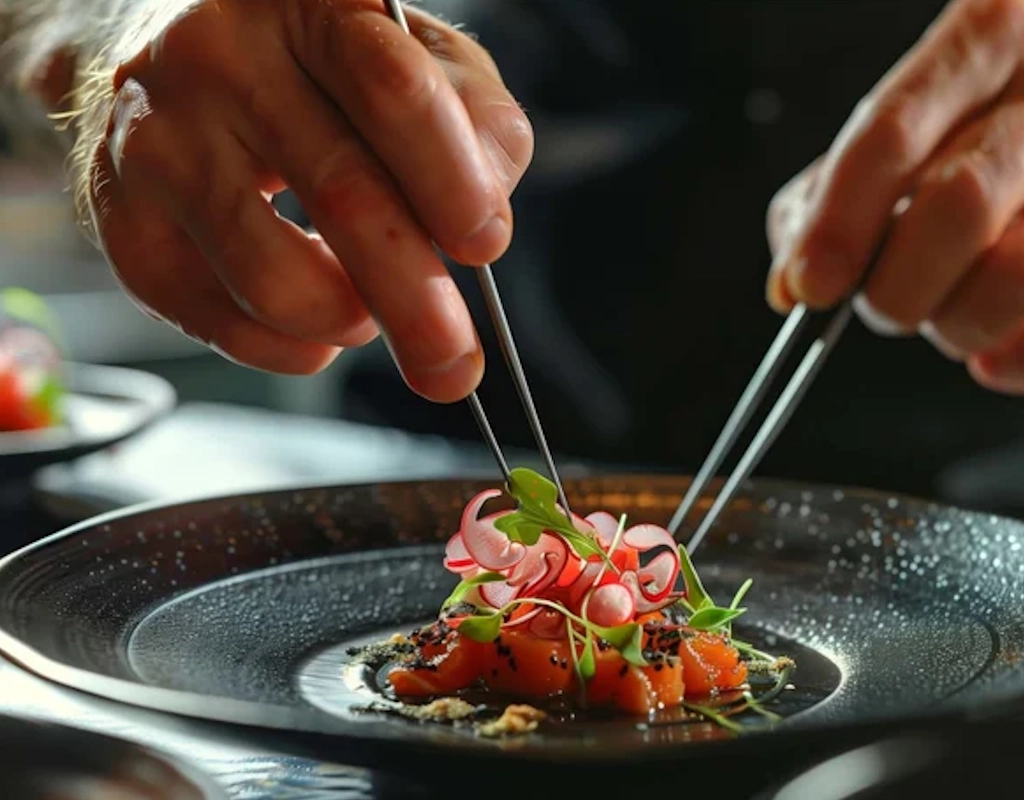
Visual-first experience
We replaced text-heavy menus with:
high-quality dish images
clear, structured descriptions
easy-to-scan layout
Now, guests don’t need to imagine.
They see.
And when they see, they order faster and more confidently.
Invisible complexity
Behind the scenes:
dishes still belong to their respective concepts
operations remain structured
But for the guest:
everything feels like one coherent menu
No confusion. No friction.
One seamless order
Guests can:
select dishes from anywhere in the menu
combine items freely
place one clean order
No switching between menus.
No explanations.
No interruptions.
The result: A smoother experience for everyone
For guests
total freedom of choice
faster decisions
a richer, visual experience
For staff
fewer repetitive questions
less pressure during busy hours
cleaner, more predictable orders
For the business
higher average order value
better cross-selling between concepts
stronger brand perception
Why this case stands out
This is not just about going digital.
It’s about fixing a structural problem.
At GUD & GUD Seafood:
one kitchen was already doing the work
Oto aligned the menu experience with that reality
And combined with a strong personal brand like Alexandru Comerzan, the experience now matches the expectations guests already have when they walk in.
One simple shift, big impact
Before:
Two concepts, two menus, one fragmented and text-heavy experience.
After:
Two concepts, one kitchen, one unified and visual experience.
Want to simplify your setup without limiting your concept?
If you’re running:
multiple brands in one space
shared kitchens
complex menus
Oto helps you turn complexity into something guests don’t even notice.
Start here:
https://otoqr.app/en/register
FAQ – GUD & GUD Seafood digital menu setup
Can guests really order from both concepts in one place?
Yes. The digital menu combines both GUD and Seafood into one seamless experience, so guests can mix dishes freely in a single order.
Why keep a paper menu if there is a digital one?
The paper menu acts as a quick overview. It helps guests scan options fast, while the QR code gives access to the full experience with images and details.
How does this reduce pressure on staff?
Guests no longer need constant explanations. They can explore, decide, and interact directly through the menu, which reduces repetitive questions.
Does adding images really make a difference?
Yes. Visual menus help guests decide faster and increase the likelihood of ordering more, especially premium dishes.
Is this setup only useful for multi-concept restaurants?
No. It’s especially powerful there, but any restaurant with a complex menu or frequent updates can benefit from a unified digital menu.
How difficult is it to manage such a menu?
It’s simple. The restaurant team can update items, prices, and structure in real time without needing technical skills.