The challenge: different guests, different expectations
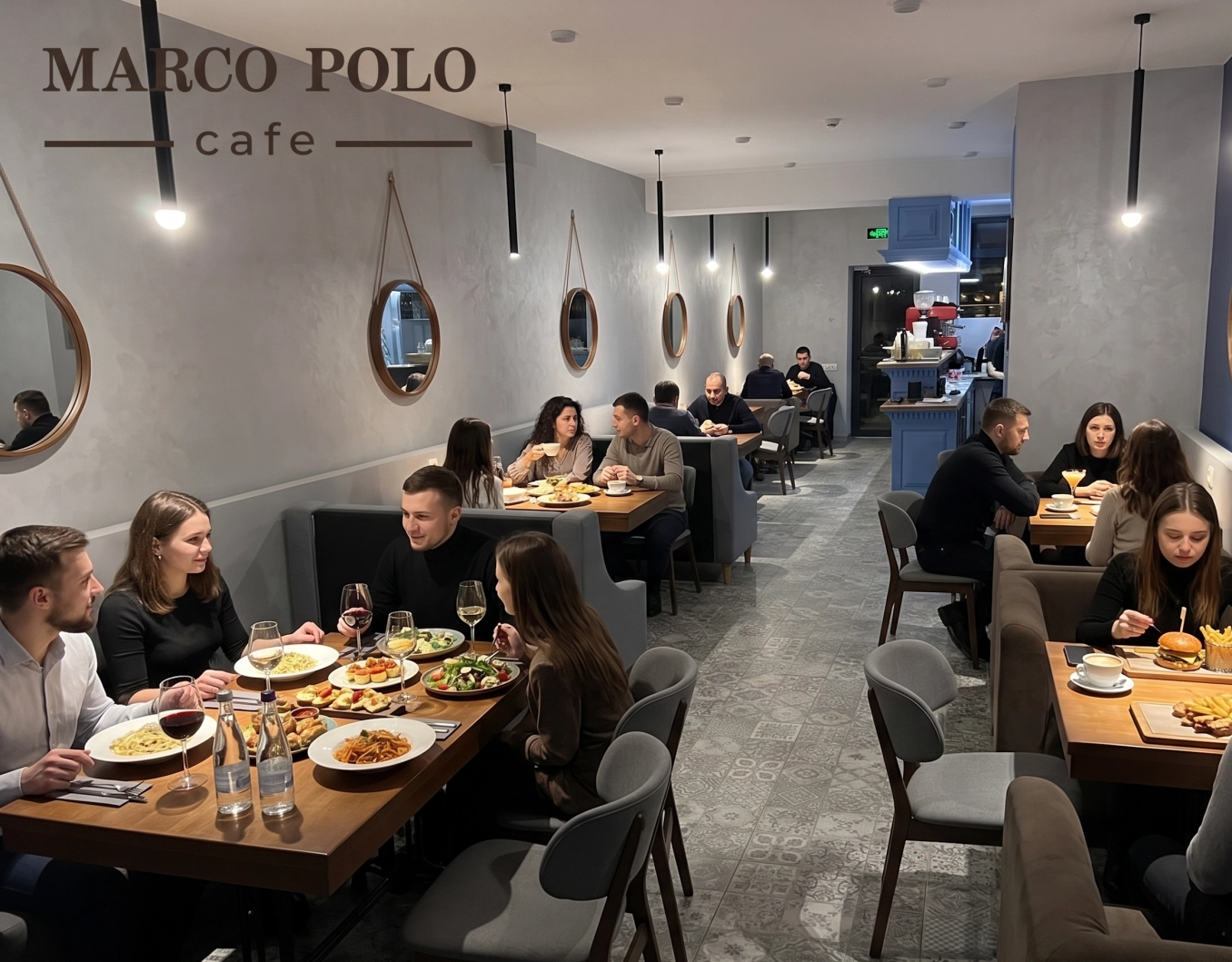
Located in Cahul, Marco Polo welcomes a mix of guests throughout the year:
local families and regular visitors
tourists visiting southern Moldova
international hotel guests
business travelers
guests attending events and celebrations on the terrace
The team needed a menu experience that worked for all of them.
The old paper menu created several limitations:
foreign guests needed help understanding dishes
menu updates were slow and inconvenient
photos were missing entirely
some dishes simply didn’t attract attention
staff spent extra time answering repetitive questions
And there was another important issue.
Many guests were ordering “safe choices” instead of exploring more profitable dishes, desserts, drinks, or specials.
Not because they didn’t want them.
Because they couldn’t properly visualize them.
Why images matter more than most restaurants think
In many restaurants, menus are treated as informational tools.
At Oto, we see them differently.
A digital menu is a decision-making environment.
The way dishes are presented directly influences:
what guests notice
what they ignore
how much they spend
how confident they feel ordering
Marco Polo understood this quickly. By introducing high-quality food photos into their digital menu, the restaurant created a completely different browsing experience. Guests no longer had to imagine dishes from text descriptions alone.
They could actually see them.
And that small shift changed behavior.
The result: the average bill increased by 8%
After implementing Oto, the Marco Polo team noticed a clear change in guest ordering patterns.
Guests spent more time browsing the menu.
They explored more categories.
They added more extras, drinks, and desserts.
Most importantly, visually attractive dishes started selling more consistently.
The result was an 8% increase in the average bill.
Not because prices increased.
Not because staff pushed harder.
The menu itself started doing part of the sales work.
This is one of the biggest differences between a static paper menu and a modern digital guest experience.
A well-designed QR menu doesn’t just display products.
It guides attention.
Helping international guests feel comfortable
For boutique hotels and tourist-oriented locations, language accessibility matters more than ever.
International guests often hesitate when:
they don’t understand ingredients
they can’t identify local dishes
they feel unsure about ordering
Paper menus make this worse.
Marco Polo needed a solution that felt modern, simple, and comfortable for foreign visitors staying at the hotel or dining on the terrace.
With Oto, guests can instantly switch between languages directly from their phones, without needing staff assistance.
That creates a smoother experience for everyone:
guests feel more independent
staff save time
ordering becomes faster and more relaxed
And in hospitality, reducing friction is often what creates better reviews and stronger loyalty.
A terrace experience that feels modern
Large terraces create unique operational challenges.
During busy evenings:
staff move constantly between tables
menus wear out quickly
updates become difficult
guests wait longer for information
Oto helped Marco Polo simplify this process.
Instead of reprinting menus or manually explaining dishes, the restaurant now has a flexible digital system that can be updated instantly.
Seasonal drinks, specials, new dishes, or unavailable items can all be adjusted in real time.
For guests, the experience feels faster and more modern.
For the team, it reduces unnecessary operational stress.
More than a QR menu
One important thing Marco Polo understood early is that Oto is not just a digital replacement for paper.
It’s a hospitality tool.
The platform helps restaurants:
present dishes better
create a stronger visual experience
improve communication with international guests
influence ordering behavior
increase sales naturally
modernize the guest journey
And this is only the beginning.
As Oto continues developing new behavioral analytics features, restaurants will increasingly understand:
which dishes guests open most
what attracts attention
how guests navigate menus
which products convert best visually
That kind of insight was almost impossible with traditional paper menus.
The human side of digital hospitality
Technology in restaurants only works when it feels invisible.
Guests don’t visit Marco Polo because they want technology.
They visit because they want a pleasant evening, good food, comfort, and a memorable atmosphere.
Oto simply helps remove friction from that experience.
Sometimes the biggest improvements are not dramatic.
Sometimes they’re small moments:
a tourist confidently ordering in their own language
a guest choosing dessert because the photo looked irresistible
a family spending less time waiting and more time enjoying the evening
Those moments add up.
And for Marco Polo, they translated into happier guests and stronger sales.
Explore Marco Polo’s digital menu
You can view Marco Polo’s current Oto-powered digital menu here: Marco Polo digital menu
Try Oto
If your restaurant, terrace, café, or hotel still uses static paper menus, you may already be losing opportunities without realizing it.
Oto helps hospitality businesses:
improve the guest experience
modernize service
support multiple languages
increase average spending
reduce operational friction
Create your digital menu here by registering on www.otoqr.app/en/register
FAQ
Can a digital menu really increase restaurant sales?
Yes. Better visuals, easier navigation, and improved dish presentation can influence guest decisions and increase average order value naturally.
Why are food photos important in QR menus?
Guests often choose visually. High-quality images help dishes attract attention and reduce uncertainty during ordering.
Is Oto useful for hotels as well as restaurants?
Absolutely. Boutique hotels, terraces, and hospitality venues with international guests benefit especially from multilingual digital menus.
Can the menu be updated instantly?
Yes. Restaurants can edit dishes, prices, seasonal items, or unavailable products in real time without reprinting menus.
Does Oto work for foreign guests?
Yes. Guests can switch between available languages directly from their phones, creating a more comfortable ordering experience.