When a rich wine list becomes overwhelming
For wine lovers, variety is exciting.
For many guests, it can be intimidating.
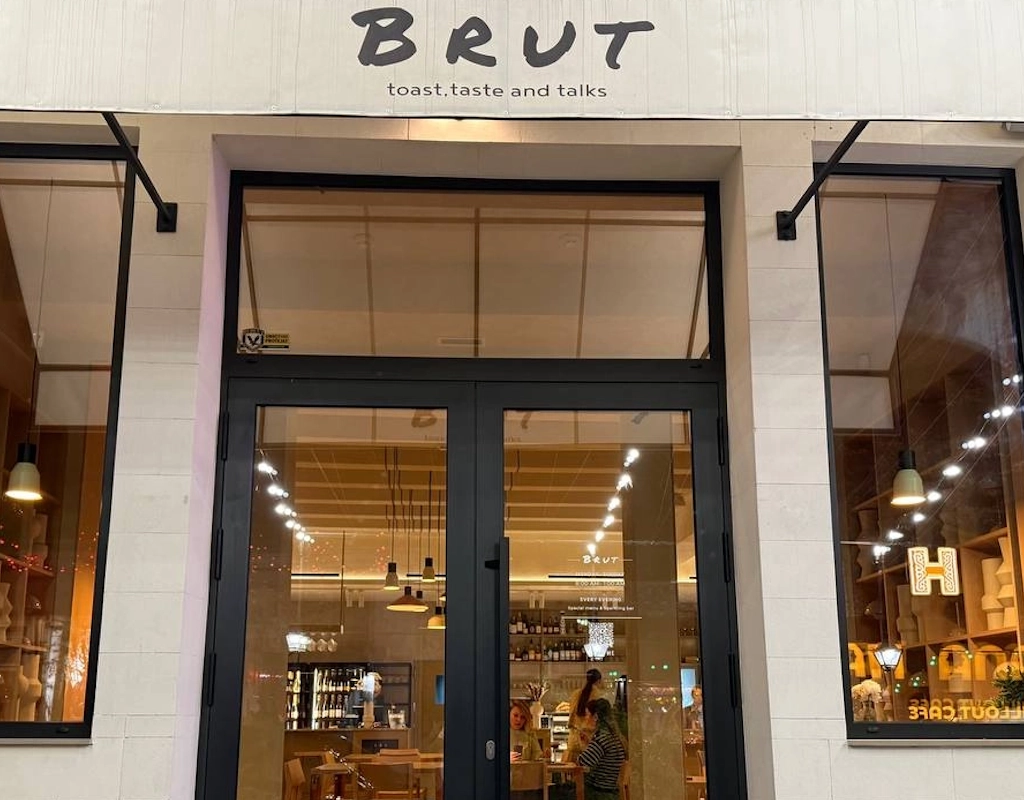
At Brut, the sparkling wine list included dozens of labels, producers and styles. But not every guest arrives knowing exact names. Most people think in preferences:
extra dry or brut
Italian or French
classic method or Charmat
prosecco, cava, crémant
On a printed menu, turning those preferences into the right choice took time and constant help from staff. That slowed service and put unnecessary pressure on the team, especially during busy hours.
Brut wanted a smarter way.
A digital menu built around how guests actually choose
When Brut implemented Oto, they didn’t just digitize the menu. They asked for something very specific.
They wanted guests to be able to filter sparkling wines by real criteria, not just scroll through names.
Together, we built a custom solution inside the digital menu that allows guests to filter by:
sparkling wine dosage
production method (for example, Charmat or traditional method)
type of sparkling wine
country of origin
Now, a guest doesn’t need to recognize a label.
They can simply choose what they like.
For example:
Italian, Extra Dry, Prosecco, made using the Charmat method.
The menu does the rest. You can see the filtering experience live in Brut’s digital menu here.
Less pressure on staff, better conversations at the table
This change immediately improved the flow in the restaurant.
Guests arrive at a choice faster and with more confidence.
Staff no longer need to explain the entire wine list from scratch.
Conversations shift from “What is this?”
to “This is exactly what I was looking for.”
The result is smoother service and a more relaxed team, without sacrificing the level of expertise Brut is known for.
Beyond wine: details that matter to modern guests
Brut also took advantage of other Oto features that align with their attention to detail:
calorie information added directly to the menu
a feature that allows guests to thank the waiter digitally
These small touches improve transparency and strengthen the connection between guests and staff.
And when Brut had a specific request, the team didn’t offer a workaround.
They built a custom feature, tailored exactly to their needs.
Feedback that confirms the right choice
In their own words, Brut described the collaboration as consistently excellent. What stood out most was not just the product, but the way the team worked:
attentive to every request
proactive with improvements
reliable in delivery
For a concept as refined as Brut, that level of collaboration matters.
The result: choice without confusion
Today, Brut guests can explore one of the most impressive sparkling wine selections in the city without feeling lost. The menu adapts to how people think, not the other way around.
More confidence for guests.
Less friction for staff.
A wine list that finally works at its full potential.
Final thought
Brut didn’t want a digital menu to look modern.
They wanted it to be useful.
With Oto, complexity turned into clarity. And choosing the perfect glass of sparkling wine became part of the pleasure, not the problem.
Smart filters. Better choices. A calmer service flow.
Frequently Asked Questions About Digital Wine Menus
How can a digital menu help restaurants with large wine lists?
A digital menu allows guests to filter wines by criteria such as dosage, production method, country of origin, and style. This removes confusion and speeds up decision-making, especially in restaurants with extensive wine selections.
Can a QR menu include advanced filters for wine selection?
Yes. A modern QR menu for restaurants can include custom filters that allow guests to search wines by production method (Charmat or traditional), sweetness level, country, or wine type. This makes the selection process intuitive and guest-centered.
Is a digital wine list better than a printed one?
A digital wine list updates instantly, supports filtering, reduces printing costs, and improves guest confidence. A printed wine list cannot adapt dynamically and often overwhelms guests when the selection is large.
Can guests see calories in a digital menu?
Yes. Digital menus can display calorie information for food items and beverages, increasing transparency and supporting health-conscious guests.
Does a digital menu reduce pressure on staff?
Absolutely. When guests can filter and explore options independently, staff spend less time explaining the entire list and more time providing meaningful recommendations. This improves service flow and team efficiency.
Can restaurants build custom features in a digital menu?
Yes. Advanced digital menu platforms like Oto allow custom development, such as wine filtering systems or digital thank-you features for staff, tailored to the restaurant’s concept.